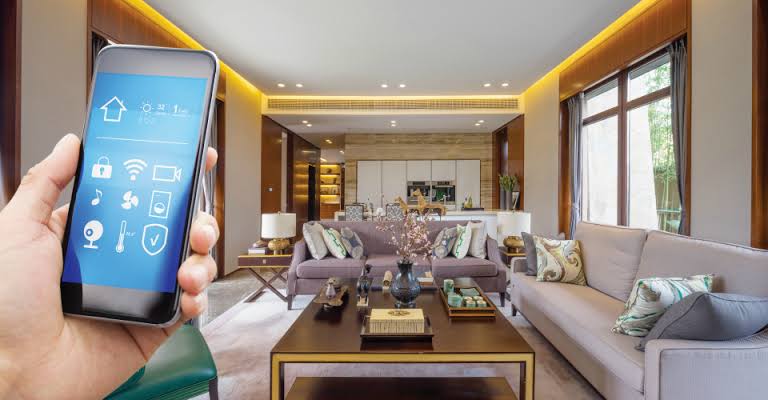
The model unit is a performance. Not a dishonest one, necessarily — the materials and finishes you see in the model are usually genuine — but the staging, the lighting, the furniture scale, and the absence of neighboring units all create a version of the home that you will not replicate in real life. Knowing that going in is a start. Knowing what to actually look at when you’re there is what gets you to a decision you won’t regret.
I’ve toured maybe thirty new construction units in Chicago over the past three years, and I’ve developed a list of things I pay attention to that the sales team rarely brings up. Some of it sounds obvious until you realize you forgot to check it. Some of it is specific to Chicago.
The Building Envelope — What’s Between You and February
Chicago winters are not gentle. The difference between a well-insulated building envelope and a code-minimum one isn’t visible in the model unit, but it shows up in your gas bill every February and in the way the windows feel on a cold night. Ask specifically about the R-value of the exterior walls and roof, the glazing specification of the windows (triple-pane is increasingly common in Chicago new construction; double-pane is acceptable but less than ideal), and the air sealing approach. Builders who’ve thought carefully about this will have specific answers. Builders who haven’t will give you vague reassurances.
The corner units and top-floor units in most buildings have more exterior exposure and are more sensitive to insulation quality. If you’re considering one of those, it’s worth pushing harder on the envelope spec.
The Smart Home Infrastructure — Not the Devices
This is where a lot of new construction marketing gets sloppy. A home is not “smart” because it has a Nest thermostat and a Ring doorbell. Those are connected devices. What matters is the infrastructure: is there dedicated low-voltage wiring throughout the home? Is the electrical panel sized for future EV charging and battery backup? Is there a centralized smart home hub that integrates everything, or are you looking at half a dozen incompatible apps?
Ask for the smart home spec sheet, not the marketing summary. If the builder can’t produce one, that tells you something. The communities we cover on this site publish their spec sheets for exactly this reason — because “smart home included” means something very different depending on who’s saying it.
Construction Timeline Realism
Every builder in Chicago has had delays in the past five years. Supply chain disruptions, labor availability, permit timing — the list of legitimate reasons is long. The builders who handle this well are honest about contingency timelines and put specific language in the purchase agreement about delay remedies. The ones who handle it poorly give you an optimistic delivery date and leave the delay clauses vague.
Ask: what’s happened to delivery timelines on your recent projects? What’s the language in the purchase agreement if delivery is delayed by more than 90 days? Any builder who’s bothered by these questions is a builder to be cautious about.
The Actual Neighborhood, Not the Renderings
Development renderings show the completed mixed-use vision. They don’t show you that the adjacent lot is a surface parking lot with no development timeline, or that the coffee shop in the rendering hasn’t signed a lease yet, or that the “future park” on the site plan is dependent on a TIF agreement that isn’t finalized.
Walk the neighborhood at different times of day before you commit. Talk to people who already live nearby. Look at what’s actually permitted and under construction versus what’s in the marketing materials. The neighborhood you’re buying into is a 10-year bet in a lot of these developments — understanding what’s real versus aspirational is part of the due diligence.
One More Thing
Bring your tape measure to the model. Developers are skilled at furnishing model units with furniture that makes rooms look larger than they are — slightly narrower sofas, smaller dining tables, coffee tables that are 6 inches lower than a normal one. Knowing that a bedroom is 11 by 13 feet before you’ve tried to fit your furniture into it is worth the 30 seconds it takes to measure.