




Are Solar Panels and Smart HVAC Actually Worth It in Chicago? We Did the Math
The national solar and smart HVAC payback numbers don’t apply in Chicago. Here’s the actual math for this climate — with the caveats that most articles leave out.
We cover every new home community launching in the Chicago area — construction timelines, smart home packages, neighborhood trade-offs, and the pricing details that don't always make it into the brochure.
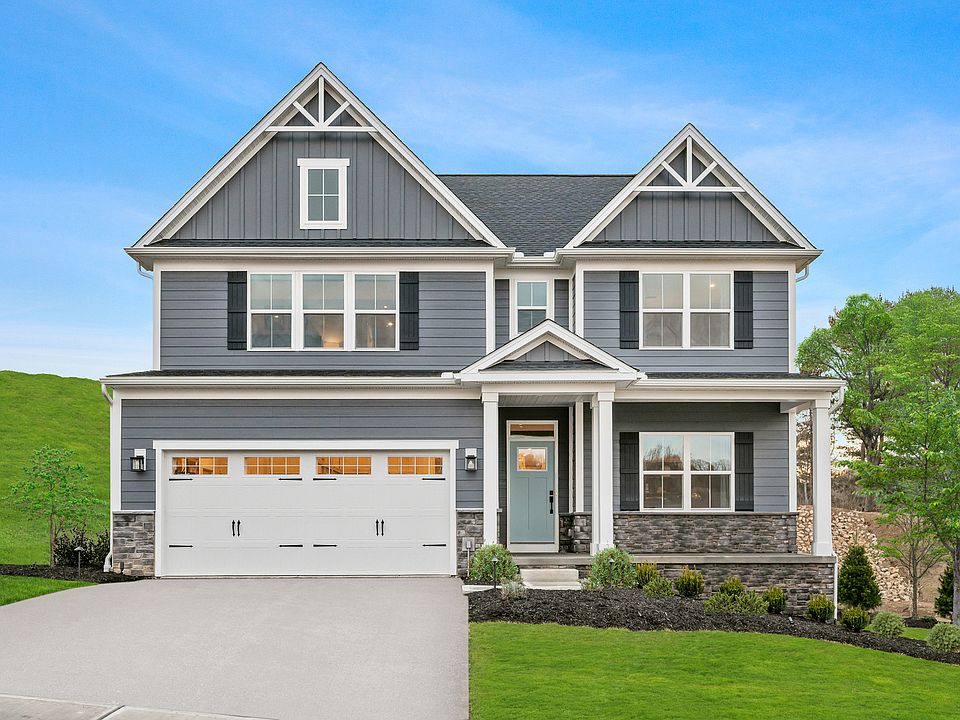
Boutique townhomes and single-family homes in the neighborhood Chicago restaurants made famous. These aren't the industrial-loft conversions that built Fulton Market's reputation — they're thoughtfully designed new construction that fits the neighborhood without pretending it's still a meatpacking district.
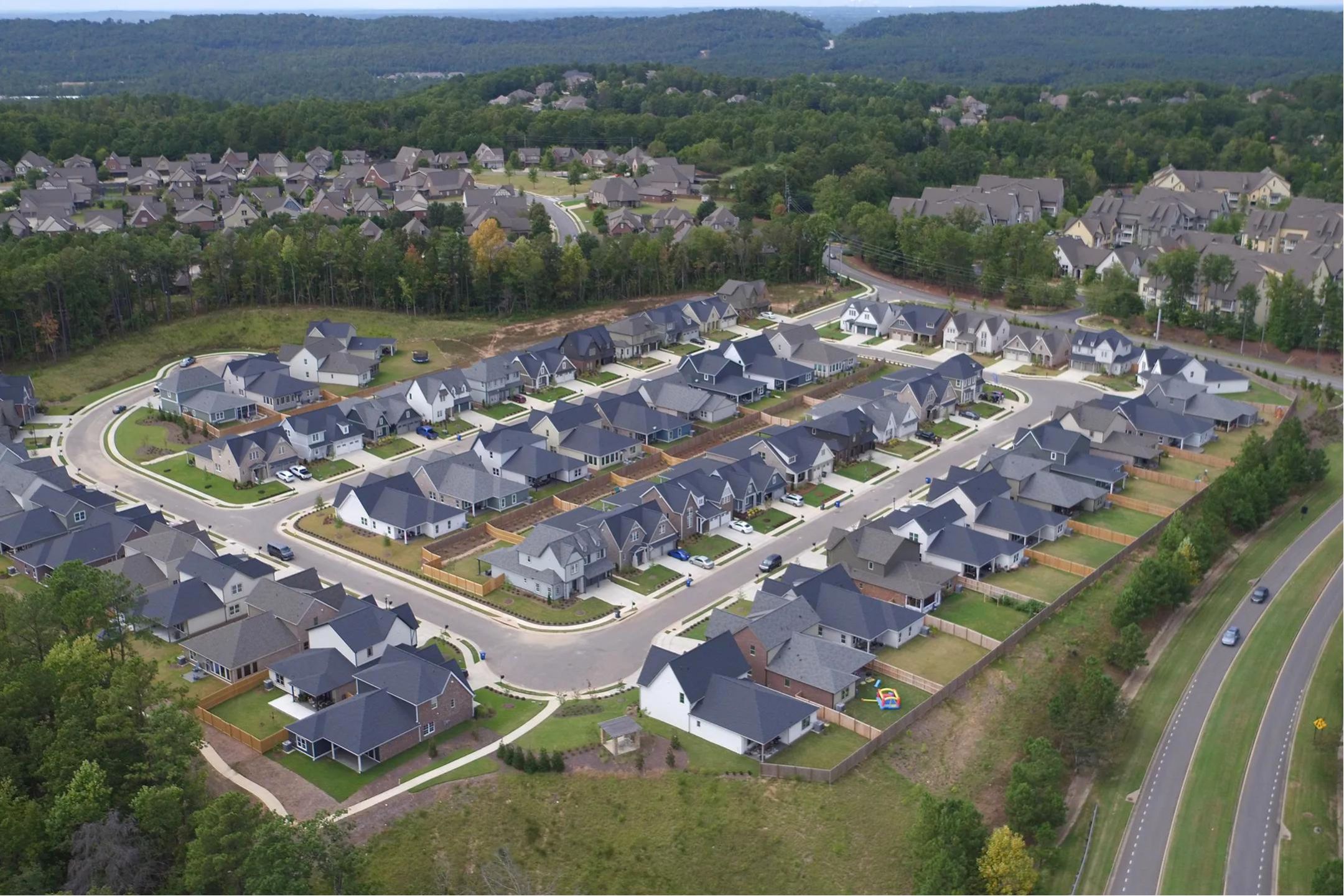
Coming late 2025: 88 units in 12 buildings, all within two blocks of the lakefront path. Pre-sales are open but this is early-stage pricing — the finalized building specs aren't fully locked yet. The smart home package is designed to be the most comprehensive of any Chicago development this year.
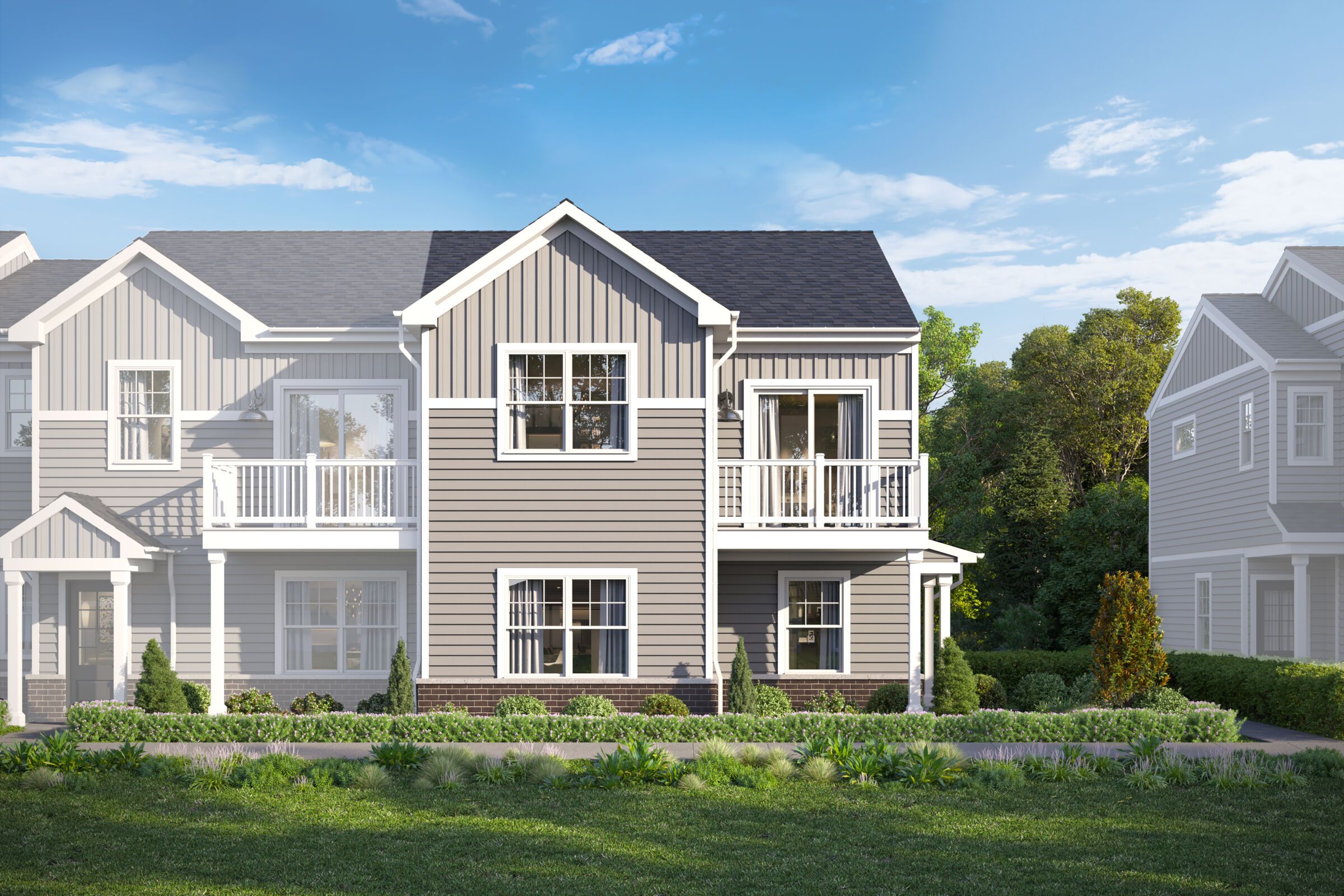
The only new construction development in Wicker Park proper in the past five years — 36 units across six 3-flat buildings, designed to fit the neighborhood's architecture while incorporating the smart home infrastructure that buyers in this price range are increasingly expecting.
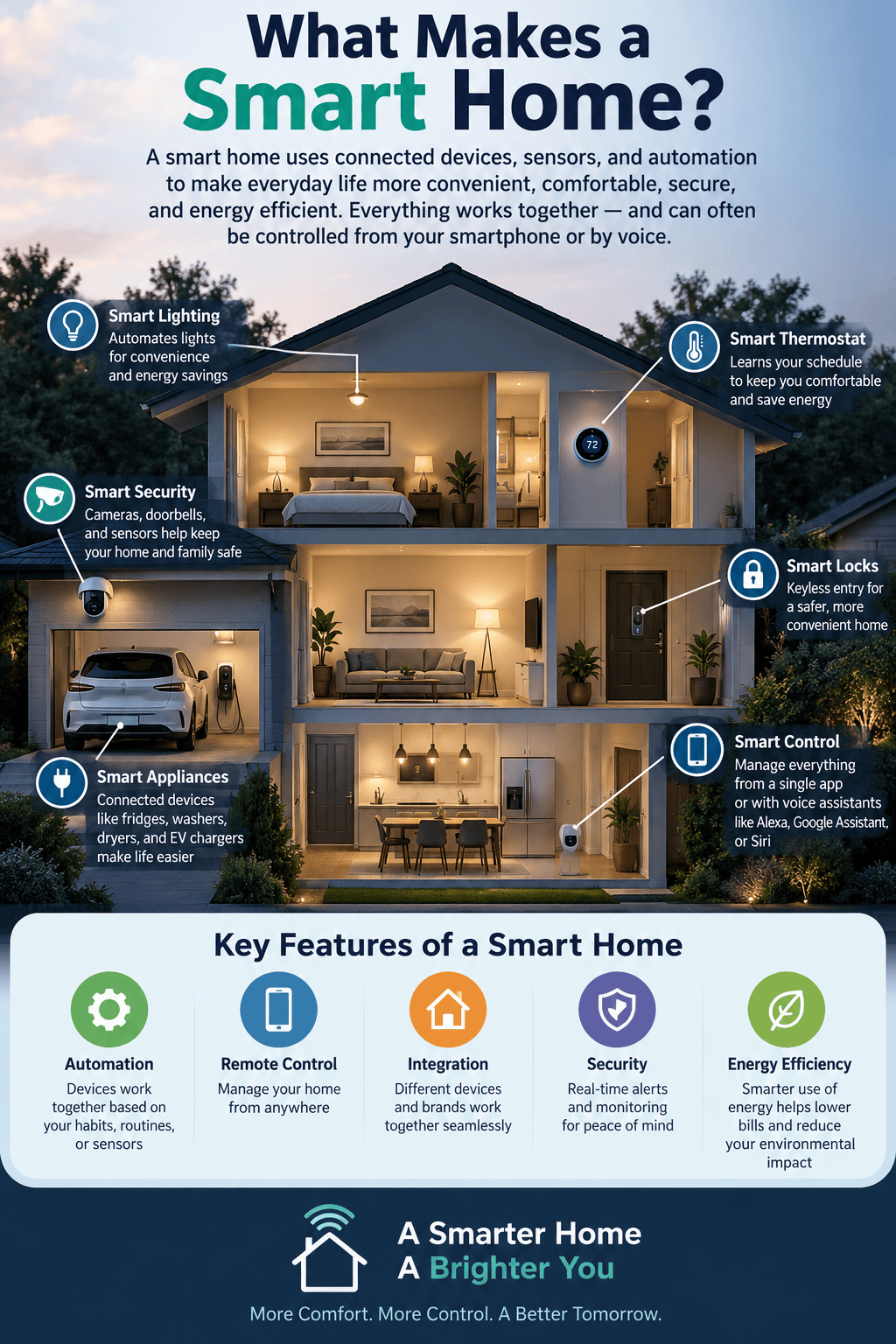
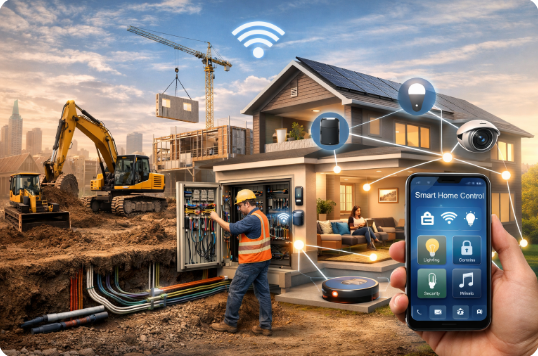
Control lighting, climate, security, and entertainment from a single app or voice command. Google Home and Amazon Alexa compatible across all communities.
AI-learning thermostats that adapt to your schedule, track energy usage by room, and cut heating and cooling costs by an average of 23% compared to standard systems.
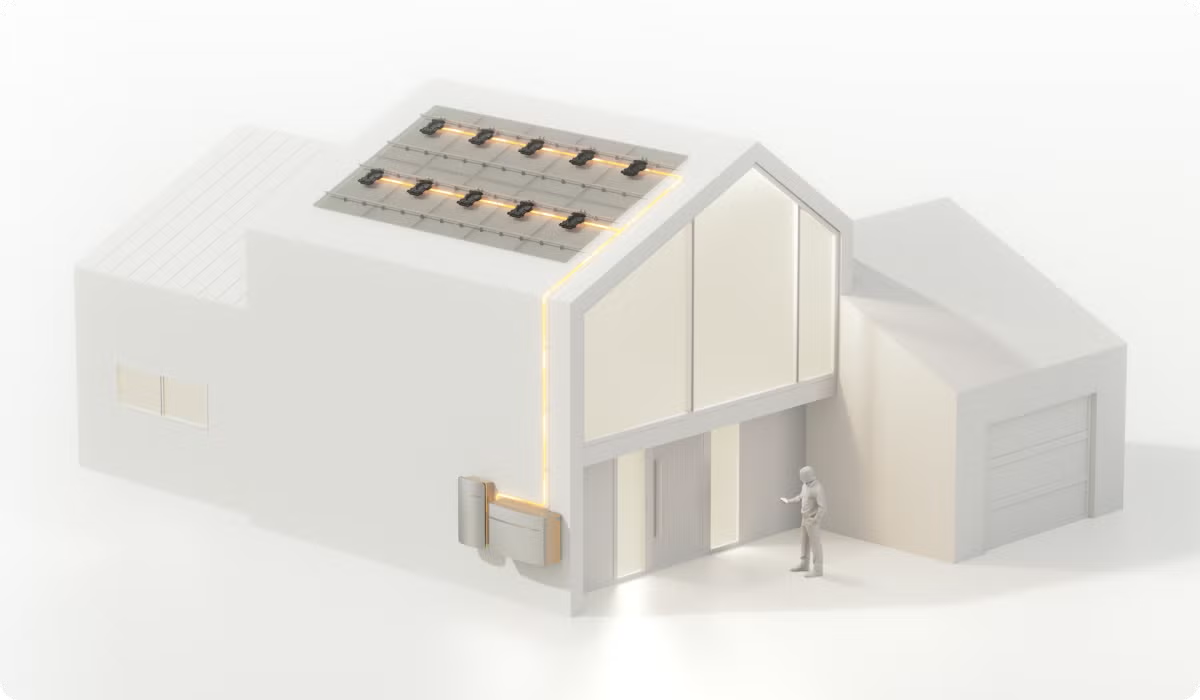
Every home is built with roof reinforcement, conduit runs, and electrical panel capacity for solar panels — so adding them later costs a fraction of a retrofit.
Video doorbell, smart deadbolts, window sensors, and 24/7 monitoring integration all wired during construction. No visible hardware, no contractor visits.
Level 2 EV charging in every garage — 240V dedicated circuit capable of fully charging most electric vehicles overnight. Pre-wired for future Level 3 upgrades.
Dedicated gigabit fiber to every unit and a whole-home mesh WiFi system pre-installed. Signal in every room — including the basement, garage, and outdoor areas.
Full LED smart lighting throughout — dimmable, color-temperature adjustable, and programmable by scene, schedule, or voice. Eliminates the need for smart bulb retrofitting.
Electrical infrastructure pre-sized for whole-home battery storage systems (Tesla Powerwall compatible). Keep critical circuits running during outages without a generator.
The difference between a home that's truly integrated and one that just has a Nest thermostat and a Ring doorbell is mostly about infrastructure — what's wired in the walls during construction. These communities are built with the backbone already in place.
Not a retrofit — every wall plate, conduit run, and network drop was planned in architectural drawings
One system controls everything — not twelve different apps from twelve different brands
See exactly what's consuming power, in real time, by room or by device
Smart home systems in these buildings are designed for over-the-air updates — no technician visits for software changes
The national solar and smart HVAC payback numbers don’t apply in Chicago. Here’s the actual math for this climate — with the caveats that most articles leave out.

Delivery dates in Chicago new construction are projections, not promises. Here’s what actually causes delays in the Chicago market, what to look for in the purchase agreement, and how to plan around the reality rather than the estimate.
Two of Chicago’s most active new construction developments sit at roughly the same price point but offer very different things. A clear-eyed comparison of Lincoln Yards and Fulton Market for buyers trying to decide.
Pre-sale pricing, smart home spec sheets, and honest community reviews — straight to your inbox.